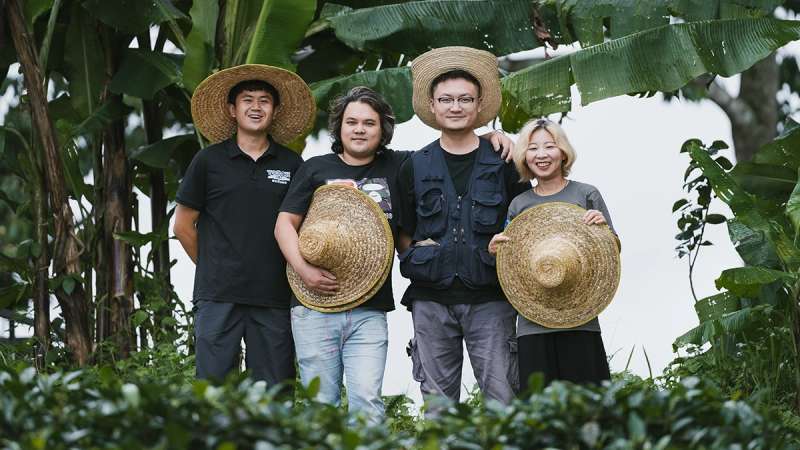
Marty used to see coffee as a frivolous addiction he was happy to avoid. Living in western China, he watched friends travel twelve hours by train just to buy coffee and thought it was absurd. Back then, he ran a community bakery with friends: small operations built around giving people work who couldn't find it elsewhere.
Then two encounters changed the trajectory.
Around 2008, he stumbled into a Q-Grader course as a translator and encountered an anthropologist teaching coffee through a completely different lens: not just how to grade coffee, but how to understand the people who grow it – If you want to create lasting change in a farming community, you don't start by bringing better technology. You start by understanding why people do what they do. Because generations of knowledge, culture, and survival sit behind every practice.
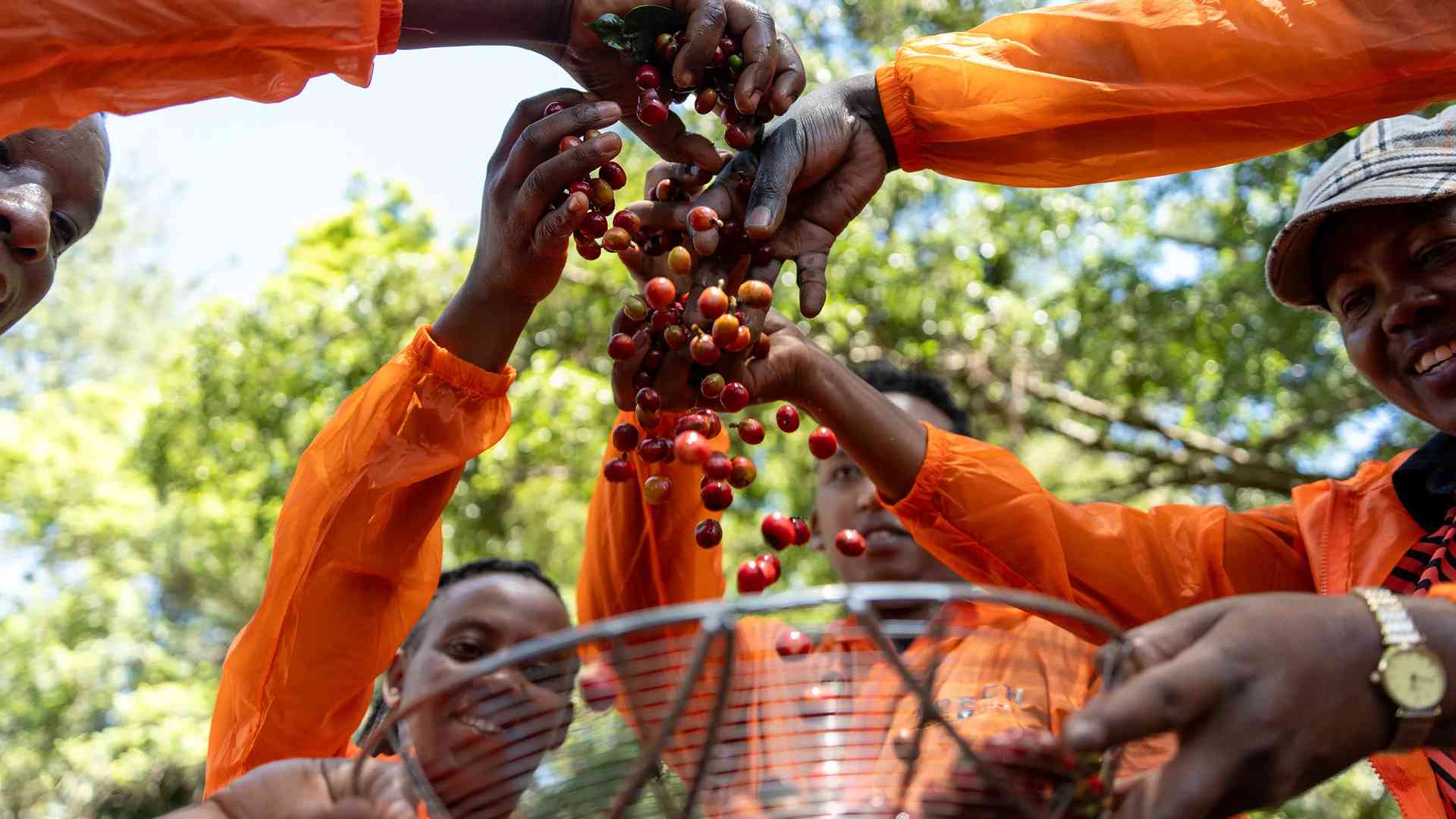
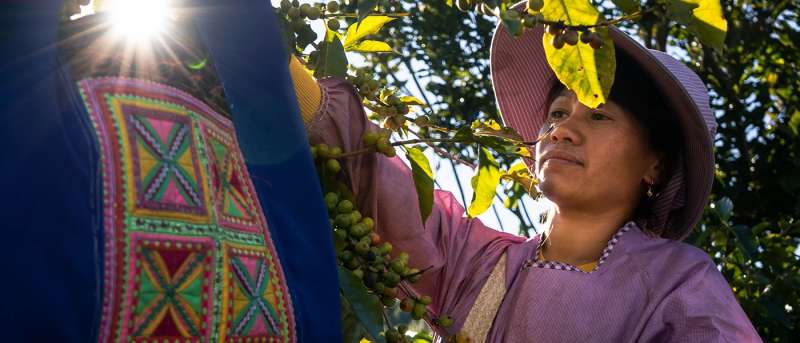
But it was being inside the coffee industry for the first time that revealed where to apply that principle. Coffee is one of the few industries that directly and traceably connects the most affluent city consumers to the most resource-scarce farming communities — not abstractly, but face to face. You can visit the farm. You can meet the people who grew what's in your cup. That kind of connection, approached with respect, could be a vehicle for real change.
Around the same time, a community development thinker Marty encountered at a forum in Thailand made a harder argument, one that reshaped how he understood poverty and progress: lasting change doesn't come from outside. It grows from within, through human-centered business built on local knowledge and social structure. The two ideas fused into a conviction: coffee is the vehicle, and business is the method.
That conviction became Torch.
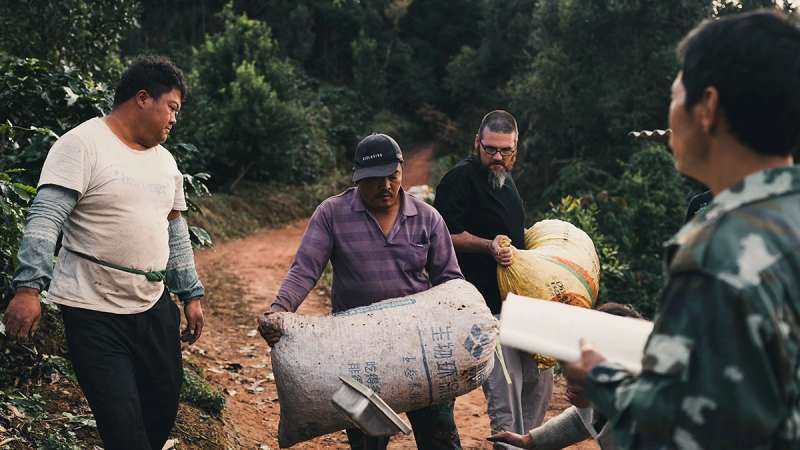
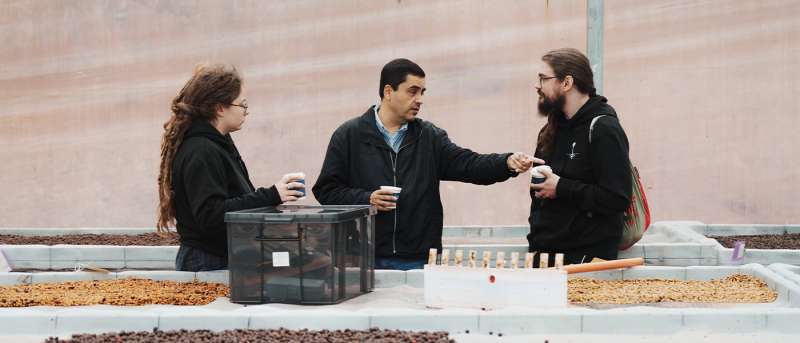
By late 2014, we'd moved to Pu'er and started living where coffee grows — not visiting and taking marketing photos, not sourcing from a distance, but putting down roots in the red soil of Yunnan's mountains. In 2017, we opened a specialty café at origin so that farmers could walk in, taste their own coffee the way a customer in Shanghai or Dubai experiences it, and understand what it's actually worth. We brought roasters and baristas to the farms, to get dirt under their fingernails and solve problems together from the ground up.
The early believers were a small, scattered group — students who traveled across China for a training course, independent roasters who bought Yunnan beans that most of the industry still dismissed. No formal alliance, no marketing campaign. Just people who had tasted something real and couldn't let it go. Through serious debt, hard lessons, and years of learning alongside farmers, processors, and students, the movement grew and grew— from Yunnan's mountains to Guatemala's volcanic slopes to Kenya's highlands…
Torch exists today as proof that the coffee industry can work differently – through genuine partnership, radical transparency, and the conviction that the people who grow coffee should be the first to experience its best.